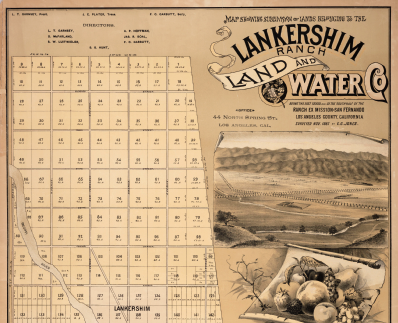
North Hollywood was established by the Lankershim Ranch Land and Water Company in 1887. It was first named "Toluca" before being renamed "Lankershim" in 1896 and finally "North Hollywood" in 1927.
Grain farmer Isaac Lankershim came along wanting to raise sheep and in 1873 teamed up with Isaac Newton Van Nuys to grow wheat. They started the Los Angeles Farming and Milling Company - which became the world's largest wheat-growing empire.
In 1888, they offered ready-made small farms for sale, with deep-rooted deciduous fruit and nut trees. They specifically selected peaches, pears, apricots and walnuts because they could survive the rainless summers of the Valley, relying on the high water table along the Tujunga Wash.
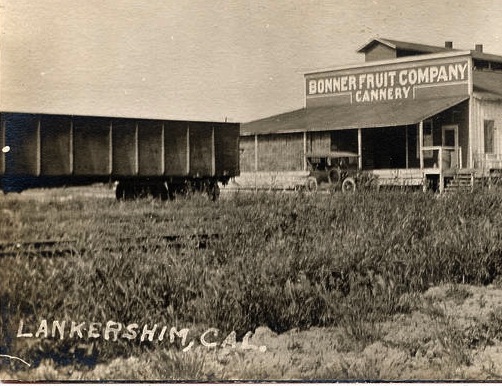
By 1903, the area was known as "The Home of the Peach". In 1912, the area's major employer, the Bonner Fruit Company, was canning over a million tons of peaches, apricots, and other fruits. Small farmers unified to oppose annexation. Once the fruit companies were taken over by Los Angeles, vulnerable farmers agreed to mortgage their holdings to the banks in Los Angeles for the immediate future and vote on annexation.
In 1927, in an effort to capitalize on the glamour and proximity of Hollywood, Lankershim was renamed "North Hollywood". The result was a massive development of housing which transformed the area into a suburban development of Los Angeles.
Since 2000, the community has been undergoing many changes and developing, thanks in large part to the formation of the 743-acre North Hollywood Development District and the subsequent NoHo Commons projects.
If you ask Los Angeles: these projects attempt to recapture North Hollywood's historic image and restore the area's economy. Consequently, North Hollywood's landscape has been transformed, with condominium towers (including a 15-story building on Lankershim Boulevard) appearing in the midst of older one-story bungalows and small apartment complexes.
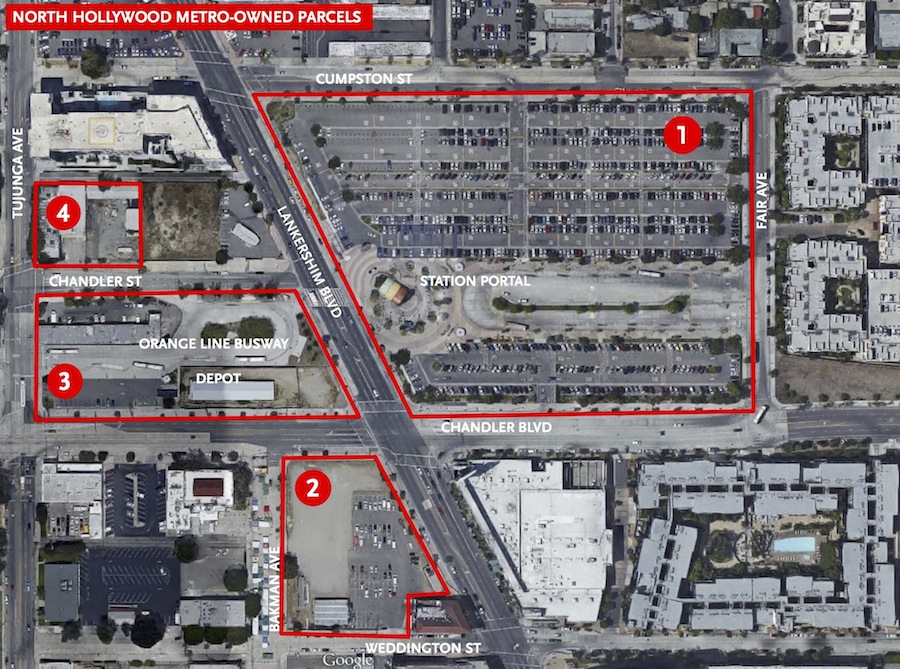
Metro's moving forward on plans to develop the giant parking lot
next to the North Hollywood Red Line Station, plus three additional
properties across Lankershim and adjacent to the station, says
The Source.
"Early estimates" suggest that the sites could hold between 750 and 1,500 housing units, plus office or commercial space, and zoning for the area would allow a structure up to 12 stories tall, but the guidelines Metro creates with community input would ultimately shape what goes there and how big and tall it is.
If you ask the Locals: Our suburb-like unique district, is morphing into a metropolitan center. Metro has turned our neighborhoods into a regional hub for the San Fernando Valley. Medium- and high-density developments are being built around the Metro Station, particularly in the NoHo Arts District, with the intent of creating a walkable urban village.
What has been a deep rooted art-centric neighborhood that has brought exciting life to the area will soon be long gone.
We the locals have initiated an assortment of neighborhood groups committed to the preservation of North Hollywood's history. We invite you to come join our efforts. Please take a look at the home page where you will find a list of scheduled meetings where the publics voices will be heard. Your attendance is strongly encouraged.
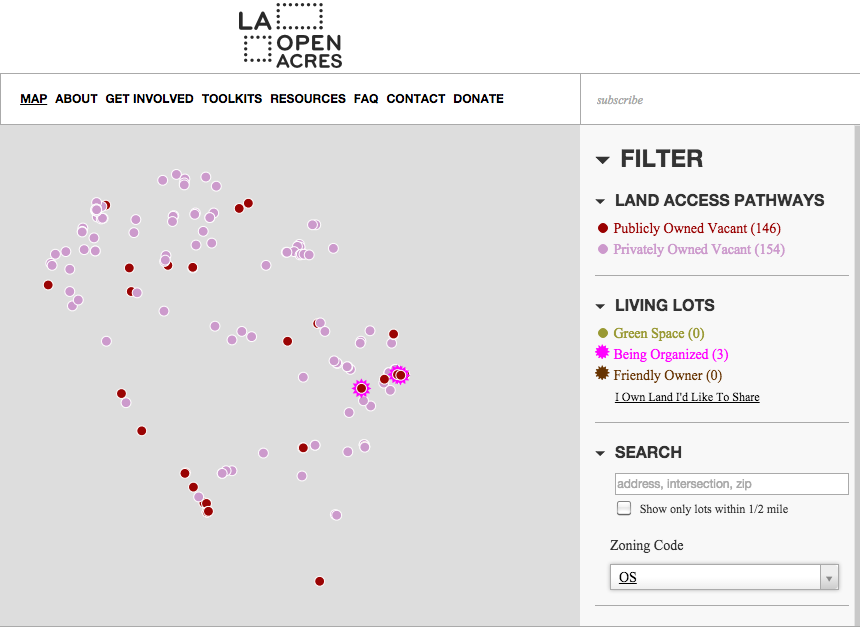
This is the current status of green-space in the entire CIty Of Los Angeles
13,264 people per square mile, about average for the city of Los Angeles but among the highest densities for the county.
North Hollywood has the highest rental rate in the entire San Fernando Valley.
87,241 population in 2008, based on L.A. Department of City Planning estimates.
A total of 5.87 square miles.
Renters occupied 75.4% of the housing stock, and house- or apartment-owners held 24.6%.


______________________________________________________________________________________________________________________________________________________________
NHC4P is an unincorporated association committed to preserving North Hollywood. Ensuring the culture of North Hollywood can be enjoyed for future generations to come.
Copyright 2015